
 Jurassic Park1993 · ★ 8.0With: Sam Neill, Laura Dern, Jeff Goldblum
Joox
176 films from 1980 to 1999, each with its cast list, its director and a Watch now button.
Most watched
See more (176) »Jurassic Park1993 · ★ 8.0With: Sam Neill, Laura Dern, Jeff Goldblum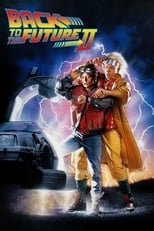 Back to the Future Part II1989 · ★ 7.8With: Michael J. Fox, Christopher Lloyd, Lea Thompson
 Jumanji1995 · ★ 7.2With: Robin Williams, Kirsten Dunst, Bradley Pierce
 Home Alone 2: Lost in New York1992 · ★ 6.8With: Macaulay Culkin, Joe Pesci, Daniel Stern
 Groundhog Day1993 · ★ 7.6With: Bill Murray, Andie MacDowell, Chris Elliott
 The Breakfast Club1985 · ★ 7.7With: Emilio Estevez, Judd Nelson, Molly Ringwald
The 1980s
See more (54) » Rain Man1988 · ★ 7.7With: Dustin Hoffman, Tom Cruise, Valeria Golino
 Ferris Bueller's Day Off1986 · ★ 7.6With: Matthew Broderick, Alan Ruck, Mia Sara
 Big1988 · ★ 7.2With: Tom Hanks, Elizabeth Perkins, Robert Loggia
 National Lampoon's Christmas Vacation1989 · ★ 7.2With: Chevy Chase, Beverly D'Angelo, Juliette Lewis
 Footloose1984 · ★ 6.7With: Kevin Bacon, Lori Singer, John Lithgow
 Bill & Ted's Excellent Adventure1989 · ★ 6.8With: Keanu Reeves, Alex Winter, George Carlin
The 1990s
See more (122) » Notting Hill1999 · ★ 7.3With: Julia Roberts, Hugh Grant, Gina McKee
 Liar Liar1997 · ★ 6.7With: Jim Carrey, Maura Tierney, Justin Cooper
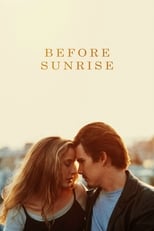 Before Sunrise1995 · ★ 8.0With: Ethan Hawke, Julie Delpy, Andrea Eckert
 Doctor Dolittle1998 · ★ 5.7With: Eddie Murphy, Ossie Davis, Oliver Platt
 Four Weddings and a Funeral1994 · ★ 6.8With: Hugh Grant, Andie MacDowell, Kristin Scott Thomas
 Jingle All the Way1996 · ★ 6.1With: Arnold Schwarzenegger, Sinbad, Phil Hartman
Family movies
See more (70) » The Flintstones1994 · ★ 5.4With: John Goodman, Elizabeth Perkins, Rick Moranis
 Bean1997 · ★ 6.5With: Rowan Atkinson, Peter MacNicol, Pamela Reed
 Flubber1997 · ★ 5.7With: Robin Williams, Marcia Gay Harden, Christopher McDonald
 Beethoven1992 · ★ 5.8With: Chris the Dog, Charles Grodin, Bonnie Hunt
 MouseHunt1997 · ★ 6.6With: Nathan Lane, Lee Evans, Vicki Lewis
 The Sandlot1993 · ★ 7.6With: Tom Guiry, Mike Vitar, Patrick Renna
The Joox guide to the movies of the eighties and nineties
Joox: the movie database of the 1980s and 1990s, from Jurassic Park, Back to the Future Part II and Big to Groundhog Day, Rain Man and Notting Hill
Ask anyone who grew up between 1980 and 1999 to name ten films they love, and you will hear the same titles again and again. A boy who wishes himself into an adult body. A weatherman stuck in one day. A flying car, a family dog the size of a sofa, a theme park that should have stayed closed. These two decades produced an unusual number of films that people watch over and over, and Joox is a database devoted to them. It lists 176 films released between 1980 and 1999, the work of 140 directors, 304 hours in all, and gives each one an entry with its cast list, its director, its rating, a summary, and a button that leads to the official services where it can be watched.
The balance of the database reflects the period. One hundred and twenty-nine of the films are comedies, for these were great years for laughter. Seventy are family films, seventy are dramas, sixty-seven are adventures or fantasies and sixty are love stories, with most films counted in two or three groups. Fifty-four date from the 1980s and 122 from the 1990s. Everything was chosen by hand for a household audience, the sort of film that was rented on a Friday evening and watched by everyone in the room.
This guide follows the tabs across the top of the page. It explains how the database works, visits each decade, then goes through the categories one at a time, and ends with questions and answers. A newcomer can start with the brief page called how to watch with Joox.
How Joox works
Joox looks like the film portals of its day. The page is black at the edges, with a white sheet down the middle. A blue band across the top of the sheet carries the name, with one orange letter, a line of description and a search field. Below the name is a row of tabs: Movies, The 1980s, The 1990s, Comedy, Family, Top movies, the A-Z index and My List. The tab for the page you are on turns white.
The home page is divided into a wide column and a narrow one. The wide column holds four pale grey boxes, each with an orange marker beside its heading: Most watched, The 1980s, The 1990s and Family movies. Inside each box, six films are listed two to a row, database fashion. Each entry has a small poster, the title in blue, the year and rating, and a line that begins With and names the three leading actors. The narrow column holds four numbered lists, the top five films of each decade and the top five comedies and family films by rating, and beneath them a list of categories with the number of films in each.
Click any title and its full entry opens. At the top are the poster, the title, the year, the running time, the genres and the rating out of ten. A summary follows in a few sentences. Then come the director and the cast, and here the database earns its name: every person is a link, and pressing a name gathers the other films in which that person appears. In this way an evening can begin with one film and wander pleasantly through half a dozen more.
The orange Watch now button stands beside a menu of fifteen countries. Choose where you live, press the button, and JustWatch opens with the subscription, rental, purchase and free services that carry the film there. Joox is the catalogue; the services are the screens. The search field understands titles, people and years: type Steve Martin for five films, or 1993 for seventeen, the fullest year in the database. The page on finding titles describes every route, and the My List page explains the personal shortlist that your browser keeps for you.
The 1980s
Fifty-four films represent the eighties, a decade with a look and a sound all its own: bright colours, synthesisers on the soundtrack, and a boundless confidence that any problem could be solved by a likeable hero before the credits rolled. It was the decade in which the high-concept comedy was perfected, a film whose premise can be told in a sentence. In Big, a twelve-year-old boy makes a wish at a fairground machine and wakes up as a thirty-year-old man, played by Tom Hanks with such innocent delight that the film still feels fresh. In Splash, Hanks again, a lonely New Yorker falls in love with a woman who turns out to be a mermaid. In Innerspace, a test pilot shrunk to the size of a pinhead is injected into a nervous supermarket clerk.
The same spirit runs through Back to the Future Part II, which sends its heroes forward to a 2015 of flying cars and self-lacing shoes and then back to 1955 to set things right; through Bill & Ted's Excellent Adventure, in which two cheerful students collect great figures of history in a telephone box; and through Time Bandits, Terry Gilliam's wild tale of a boy and a gang of small thieves tumbling through the centuries. Electric Dreams imagines a home computer falling in love with its owner's neighbour, a strange little film that was years ahead of its time.
The eighties also discovered the teenager. The writer and director John Hughes made a series of films that took the feelings of sixteen-year-olds seriously, and several are here. The Breakfast Club shuts five students in a school library for a Saturday. Ferris Bueller's Day Off follows the most charming truant in film history through one perfect day in Chicago. Hughes wrote Pretty in Pink and Some Kind of Wonderful for the director Howard Deutch, both about love across the divide between rich and poor at school. Lucas, Say Anything... and the Scottish comedy Gregory's Girl belong in the same company.
Adults had their own comedies. Working Girl sends a secretary with ideas up the ladder at a Wall Street firm. The Secret of My Success does the same for a boy from Kansas in the mailroom. Overboard strands a spoiled heiress with a carpenter and his four sons, Mr. Mom leaves a father in charge of the house and the washing machine, and Back to School enrols a self-made millionaire at his son's university. On holiday, things go wrong in The Great Outdoors, Summer Rental and National Lampoon's Christmas Vacation.
The decade's dramas are few but fine. Rain Man, which won the Academy Award for Best Picture, takes two brothers across America by car. On Golden Pond is a portrait of an elderly couple at their summer cottage and the daughter who comes to make peace. Stand and Deliver, rated 7.8, tells the true story of a teacher in East Los Angeles who led his pupils to success in advanced mathematics, and Tucker: The Man and His Dream of an inventor who built a car too good for the industry to tolerate. The guide to the 1980s lists the whole category.
The 1990s
The nineties contribute 122 films, more than twice as many as the decade before, and one year stands above the rest. Seventeen films in the database were released in 1993. They include Jurassic Park, the most popular title on Joox and rated 8.0, in which Steven Spielberg brought dinosaurs to life with a blend of full-size models and the first truly convincing computer animation. They include Groundhog Day, the comedy about a weatherman reliving the same February day, which has become a modern fable. And they include The Sandlot, Cool Runnings, Dave, The Secret Garden, Searching for Bobby Fischer and Homeward Bound: The Incredible Journey, any one of which would be the pride of an ordinary year.
The decade was the high summer of the romantic comedy. Four Weddings and a Funeral made Hugh Grant a star in 1994 and showed that a British film could conquer the world. While You Were Sleeping gave Sandra Bullock her most endearing role, as a lonely ticket clerk adopted by the family of a man she has only admired from afar. Julia Roberts appears in My Best Friend's Wedding, Runaway Bride and Notting Hill, the last of which closes the database's period in 1999. Green Card, One Fine Day, The Wedding Singer and Before Sunrise, a film made of one long conversation in Vienna and rated 8.0, show how many different shapes the genre could take.
Family entertainment grew bigger and more elaborate. Jumanji released a jungle from a board game. Home Alone 2: Lost in New York gave a ten-year-old the freedom of the city. The Flintstones and The Beverly Hillbillies turned television favourites into feature films, and Flubber, MouseHunt, Doctor Dolittle and Honey, I Blew Up the Kid filled cinemas with special effects in the service of slapstick. Classic children's books were filmed with care: The Secret Garden, Black Beauty, The Borrowers, Madeline and a live-action The Jungle Book.
Comedy for adults was in rude health too. Steve Martin fretted through Father of the Bride and wandered a dreamlike Los Angeles in L.A. Story. Billy Crystal herded cattle in City Slickers. Bill Murray pestered his psychiatrist in What About Bob?, Michael Keaton copied himself in Multiplicity and Jim Carrey lost the ability to lie in Liar Liar. Soapdish and Noises Off... are farces set backstage, one at a television serial and one at a touring play, and both are funnier than their modest reputations suggest. The guide to the 1990s sets the decade out year by year.
Comedy
With 129 entries, comedy is the heart of the database, and a few names recur throughout. Steve Martin has five films. Besides the two already mentioned, he is one of three silent-film cowboys mistaken for real heroes in ¡Three Amigos!, the anxious father at the centre of Ron Howard's ensemble comedy Parenthood, and a bachelor adrift in New York in The Lonely Guy. Martin Short appears four times, twice alongside him. Rick Moranis has four films, Chevy Chase and Dan Aykroyd three each, and John Candy leads two of the holiday comedies.
Certain situations were dependable. The fish out of water: a city doctor in the country in Doc Hollywood, a cave boy in a Californian high school in Encino Man, a boy from the rainforest in Manhattan in Jungle 2 Jungle, and a New York hairdresser at the court of an Eastern European ruler in The Beautician and the Beast. The double: a presidential lookalike in Dave, a man with three copies in Multiplicity. The second chance: Mr. Destiny, in which a man sees the life he would have had if he had hit one baseball, and Chances Are, a comedy of reincarnation with a young Robert Downey Jr.
Some of the best comedies are the gentlest. Local Hero sends an oil company negotiator to a Scottish village and lets the place work on him. Big Night spends an evening in a struggling Italian restaurant in New Jersey as two brothers cook the meal of their lives. Home for the Holidays, directed by Jodie Foster, gathers a family for Thanksgiving, and My Fellow Americans sends two former presidents, old rivals, on the run together. The comedy guide sorts the category by type.
Family
Seventy films carry the Family label. Size is a running joke: children grow enormous in Honey, I Blew Up the Kid, parents shrink to the height of a crumb in Honey, We Shrunk Ourselves, and a family four inches tall lives under the floorboards in The Borrowers. Wishes come true with complications in Kazaam and A Kid in King Arthur's Court, and Christmas has Jingle All the Way, Miracle on 34th Street, Santa Claus: The Movie and I'll Be Home for Christmas.
Books for young readers are the backbone of the category. Anne of Green Gables, the Canadian production of 1985 and at more than three hours the longest entry in the database, tells the story of a red-haired orphan sent by mistake to a farm on Prince Edward Island and is loved wherever it has been shown. The Secret Garden is a model of how to film a classic, and Jane Eyre and Mansfield Park serve older readers. A lavish television Alice in Wonderland and a musical Cinderella with a starry cast were events of the late nineties.
Two sisters deserve a mention. Mary-Kate and Ashley Olsen made a string of light adventures for younger viewers, and Passport to Paris and Billboard Dad are both here, as are the Disney television films Zenon: Girl of the 21st Century and Smart House, which a generation remembers fondly. Troop Beverly Hills, Heavyweights and Gold Diggers: The Secret of Bear Mountain are tales of camp and countryside. The shortest film in the database, Dennis the Menace Strikes Again!, runs for seventy-one minutes. The family guide groups the category by age.
Drama
Seventy films are dramas, and many are stories of families. Steel Magnolias follows six friends through births, weddings and losses in a Louisiana town. The Joy Luck Club, from the novel by Amy Tan, tells the interwoven histories of four mothers born in China and their four American daughters, and is one of the most moving films of its decade. Anywhere but Here sends a restless mother and her sensible daughter to California, The Other Sister is about a young woman determined to live independently, and King of the Hill about a resourceful boy left to fend for himself in a St Louis hotel in the 1930s.
Teachers are heroes here. Besides Stand and Deliver, there are Mr. Holland's Opus, which follows a music teacher through thirty years in one school, and Music of the Heart, the true story of a violin teacher in Harlem played by Meryl Streep. Little Man Tate, the first film directed by Jodie Foster, is about a gifted seven-year-old and the two women who want what is best for him.
Other dramas travel. City of Joy is set in a poor district of Calcutta, where an American doctor finds a purpose. The Horse Whisperer moves from New York to Montana, Phenomenon to a small Californian town touched by something inexplicable, and 84 Charing Cross Road back and forth across the Atlantic in the letters between a New York writer and a London bookseller. The drama guide lists all seventy.
Sequels and second helpings
A database of popular films is bound to contain sequels, and the eighties and nineties were fond of them. More than a dozen entries continue a story begun elsewhere. Some are landmarks in their own right: Back to the Future Part II is as inventive as its predecessor, and Home Alone 2: Lost in New York moves a winning formula to a bigger stage with a toy shop, a grand hotel and a park full of pigeons. Others are comfortable returns to characters audiences had grown to love, such as City Slickers II: The Legend of Curly's Gold, Beethoven's 2nd, Homeward Bound II: Lost in San Francisco and My Girl 2.
Family series are well represented. The inventor Wayne Szalinski appears in both Honey, I Blew Up the Kid and Honey, We Shrunk Ourselves. The bachelor household of 3 Men and a Little Lady is back with a five-year-old to look after. Air Bud: Golden Receiver switches its talented retriever from basketball to American football, D3: The Mighty Ducks concludes a trilogy, and A Very Brady Sequel returns to the sunniest family in America. The Odd Couple II reunites Jack Lemmon and Walter Matthau thirty years after their first outing as mismatched flatmates. Each entry stands on its own, so you may begin with whichever is to hand.
From the television set to the cinema
Another habit of the nineties was turning old television programmes into films, usually with affection and a wink. The Flintstones built the town of Bedrock in real stone and foam, with John Goodman as Fred. The Beverly Hillbillies sent the Clampett family and their oil fortune to California once more. The Brady Bunch Movie had the bright idea of leaving its family exactly as they were in the early 1970s and placing them, unchanged, in the Los Angeles of 1995.
Bean took Rowan Atkinson's nearly silent troublemaker from British television to an American art gallery. Lost in Space and Flipper revived two adventure series of the 1960s, and Dennis the Menace Strikes Again! a comic strip that had been on television in two generations. The pleasure of these films, for parents, lay in recognition; for children, they were simply new. Today they do double duty as a record of two different eras at once.
Holidays and summers
The calendar gives the database two of its happiest groups. For December there are National Lampoon's Christmas Vacation, in which a determined father sets out to give his family the perfect old-fashioned celebration; Home Alone 2: Lost in New York; Jingle All the Way, a race for the last toy on the shelf; Miracle on 34th Street, with Richard Attenborough as a department-store Santa who may be the genuine article; Santa Claus: The Movie; Ernest Saves Christmas; and I'll Be Home for Christmas, in which a student has three days to cross America in a costume he is unable to remove. While You Were Sleeping and Home for the Holidays add romance and family comedy to the season.
Summer has even more. The holiday comedy was a staple of the eighties: Summer Rental takes an overworked air traffic controller to the seaside, The Great Outdoors sets two brothers-in-law side by side in a lakeside cabin, One Crazy Summer sends a young cartoonist to Nantucket, and Captain Ron hands a family yacht to the least reliable skipper in the Caribbean. Summer camps are the setting of Heavyweights, Ernest Goes to Camp and Troop Beverly Hills, and The Sandlot, Now and Then and Gold Diggers: The Secret of Bear Mountain remember the long school holidays of childhood, when a bicycle and a few friends were all the equipment an adventure required.
Twelve entries that deserve to be better known
The famous titles need little help, so here are a dozen quieter ones. Local Hero is a comedy in which hardly anyone raises their voice and the northern lights steal the show. Big Night contains one of the great meals in cinema and a final scene, played in a single unbroken shot, that says everything about two brothers. King of the Hill is a beautifully made story of a boy's ingenuity in hard times. Tucker: The Man and His Dream is a bright, optimistic film about an American original, and Little Man Tate a tender one about a child who is different.
Electric Dreams is a curiosity with a fine pop soundtrack. Lucas is a truthful film about a small, clever boy with a crush on an older girl. Life Is Sweet finds comedy and kindness in an ordinary English household. 84 Charing Cross Road is a love story about books in which the two leads share only letters. True Stories is unlike any other entry in the database, a deadpan musical tour of a town preparing for its anniversary. Searching for Bobby Fischer may be the best film about a gifted child, and The Joy Luck Club one of the best about mothers and daughters. All twelve are rated lower in popularity than in quality, which is what a database is for.
Ambition, eighties style
The eighties believed in getting ahead, and its films show it. Working Girl is the classic of the kind: a secretary from Staten Island with night-school qualifications and a head for business borrows her absent employer's office, wardrobe and contacts to put together a deal, and wins on merit. The Secret of My Success is its comic twin, with Michael J. Fox running between the mailroom and an empty executive office, changing jackets in the lift. In Big, the secret of success at a toy company turns out to be thinking like a child.
The decade also knew how to laugh at ambition. Other People's Money casts Danny DeVito as a cheerful corporate raider who meets his match in a small-town factory and its lawyer. Mr. Mom finds that running a home is harder than running a production line. Soapdish is set among actors who will do anything to stay in a daytime serial, and The Muse gives a struggling screenwriter a goddess of inspiration with expensive tastes. Later, Up Close & Personal and Life with Mikey look behind the scenes of television news and child stardom with a kinder eye.
Fathers, mostly flustered
If the comedies of the period have a favourite character, it is the well-meaning father slightly out of his depth. Steve Martin played him to perfection in Father of the Bride, counting the cost of a wedding one hot-dog bun at a time, and again in Parenthood, where a single family supplies four different ways of raising children and worrying about them. Chevy Chase is the father as tireless optimist in National Lampoon's Christmas Vacation, and John Candy the father as holidaymaker in Summer Rental.
The type comes in many forms. Mr. Mom and 3 Men and a Little Lady are about men learning to look after children at all. Jingle All the Way has a father who forgot the one present that mattered, Liar Liar one who has broken too many promises, and Dutch a would-be stepfather driving a sullen boy home for Thanksgiving. Jungle 2 Jungle and Man of the House turn on a boy and a man getting used to each other. Beneath the slapstick these films share a kindly message, that turning up matters more than getting everything right, and it is one reason families have kept watching them.
Computers, robots and gadgets
Part of the charm of the database is its technology. These were the years in which the computer entered the home, and film-makers were as fascinated as everyone else. In Electric Dreams, a young architect buys his first machine and accidentally gives it feelings. The Wizard builds its plot around a video game tournament, and Smart House around a computerised home that becomes a little too attentive. Zenon: Girl of the 21st Century imagines a teenager growing up on a space station in 2049, and SpaceCamp introduces a small robot with firm ideas about his friends' ambitions.
Inventors are everywhere. The professor of Flubber is too absorbed in his green discovery to remember his own wedding. The father of the Honey films keeps a shrinking machine in the attic. Back to the Future Part II offers hoverboards, video calls and flat screens on every wall, some of which arrived more or less on schedule. Seen today, the bulky monitors and beeping keyboards are as evocative as the fashions, and the optimism about what machines might do for us is rather touching.
The look and sound of two decades
A viewer who watches a few of these films in succession begins to notice how the period looked and sounded. The eighties are bright and glossy, with pop songs driving the action; several entries are remembered as much for a single track as for their plots. The nineties are warmer and more orchestral, with sweeping scores for the family adventures and gentle guitar for the romantic comedies. Fashions change from shoulder pads to plaid shirts, telephones lose their cords, and the family car grows steadily larger.
The films were shot on celluloid, and it shows in the richness of the colours and the softness of faces. Sets were built, crowds were hired, and when a house had to be flooded or filled with animals, it really was. That solidity is a large part of why the best of these films still hold a room. A child raised on computer animation will often sit up at Jumanji or MouseHunt precisely because the objects on screen have weight.
The dialogue has a rhythm of its own as well. Screenwriters of the time loved a quotable line, and many of these films contributed phrases that people still use every day, long after forgetting where they first heard them. Part of the fun of a repeat viewing is hearing them arrive, and part of the fun of a first viewing, for a younger audience, is discovering the source of a joke their parents have been making for years. In that sense the database is a kind of family dictionary, and every entry in it explains a little of how the adults in the house came to talk the way they do.
Romance
Sixty love stories are in the database, and the eighties ones tend to have a touch of magic. Somewhere in Time, the oldest film on Joox, sends a playwright back to 1912 by force of will to meet an actress whose photograph he has seen; it is rated 7.5 and has a devoted following. Splash and Chances Are have been mentioned. Peggy Sue Got Married, directed by Francis Ford Coppola, returns a woman of forty-three to her last year of school with all her adult knowledge.
The nineties preferred their romance closer to real life, if only just. Green Card begins as a marriage of convenience between a Frenchman and a New Yorker and becomes something else. One Fine Day puts two single parents through one chaotic day in Manhattan. Hope Floats takes a woman home to Texas after her marriage ends, At First Sight is about a man whose sight is restored, and Up Close & Personal is set in television news. From Britain come Four Weddings and a Funeral, Notting Hill and Fever Pitch, in which a teacher has to choose, or thinks he does, between his girlfriend and his football club. The romance guide arranges the category by mood.
Adventure and fantasy
Sixty-seven entries promise a journey or a spell. Time travel is the favourite device of the period, in the three films already described and in Forever Young, where a pilot frozen in 1939 thaws out in 1992. Space is the destination in SpaceCamp, in which a group of teenagers at a summer school for future astronauts is launched by accident, and in Lost in Space. Return to Oz takes Dorothy back to a land much changed, and The Adventures of Pinocchio and Alice in Wonderland retell two classics.
Road adventures have their own corner. The Cannonball Run and Smokey and the Bandit II are races across America played for laughs, Pee-wee's Big Adventure is the search for a stolen bicycle directed by a young Tim Burton, and Bronco Billy follows Clint Eastwood's travelling wild west show from town to town. The Wizard sends three children across the desert to a video game championship in California. The adventure and fantasy guide has the full list.
School days
Twenty-three films are set in and around school, and together they form a portrait of growing up in the last decades before the mobile phone. The John Hughes films lead. Around them are Footloose, in which a newcomer brings dancing back to a town that had banned it; Summer School, with a gym teacher forced to teach remedial English through the holidays; Heavyweights, set at a summer camp taken over by a fitness fanatic; and Girls Just Want to Have Fun, about a convent schoolgirl who dreams of dancing on television.
Teachers get their due in Stand and Deliver, Mr. Holland's Opus and Music of the Heart. From Scotland comes Gregory's Girl, a shy, funny film about a gangling schoolboy who falls for the girl who has taken his place in the football team, and from Australia Strictly Ballroom, whose young hero defies the dance federation. The school days guide lists them all.
Sport
The sports films of the period are mostly about children, and all the better for it. The Sandlot, rated 7.6, remembers a summer of baseball in 1962. Rookie of the Year puts a twelve-year-old on the mound for the Chicago Cubs. Little Giants and The Big Green assemble teams from the children picked last, and D3: The Mighty Ducks follows a famous junior ice hockey side to a private school. Air Bud and its sequel give the star role to a golden retriever.
For adults there are Tin Cup, a golf comedy with Kevin Costner; For Love of the Game, in which he plays a pitcher through one last perfect afternoon; Blue Chips and The Air Up There, two views of college basketball; Cool Runnings, the true story of the Jamaican bobsled team; and Searching for Bobby Fischer, a thoughtful film about a young chess player. The sport guide sorts them by game.
Animals and music
Two small categories round out the database. Eleven films have an animal at the centre. Homeward Bound: The Incredible Journey and its sequel follow two dogs and a cat on the long road home, with Michael J. Fox and Sally Field among the voices. Beethoven's 2nd gives a St Bernard a family of his own. Black Beauty, Flipper and The Horse Whisperer are for lovers of horses and dolphins, and Jurassic Park is there for those who like their animals larger. The animals guide has the list.
Thirteen films are about music and dance. The Commitments forms a soul band in Dublin; Brassed Off follows a colliery brass band in Yorkshire; Selena, rated 7.7, tells the life of a Texan singer. Footloose, Staying Alive, Strictly Ballroom and Dance with Me keep the dancers busy, and True Stories, directed by the musician David Byrne, is a one-of-a-kind tour of a Texas town. The music guide covers the category.
The people in the database
Because every name is a link, Joox rewards curiosity about people. Michael J. Fox has the most entries of any performer, six in all: the time traveller of Back to the Future Part II, the mailroom climber of The Secret of My Success, the stranded surgeon of Doc Hollywood, the children's talent agent of Life with Mikey, and the voice of the young bulldog in the two Homeward Bound films. Andie MacDowell and Steve Martin have five each, and Sally Field, Rick Moranis and Martin Short four.
Behind the camera, Howard Deutch and Alan Metter have four films apiece, and Brian Levant, Les Mayfield, Jon Turteltaub, Herbert Ross and Garry Marshall three. John Hughes directed two entries and wrote or produced several more, among them Mr. Mom, The Great Outdoors, Dutch and the second Home Alone film. Harold Ramis directed Groundhog Day and Multiplicity, Ron Howard Splash and Parenthood, and Francis Ford Coppola Peggy Sue Got Married and Tucker: The Man and His Dream. A search for any of them is a short course in the popular cinema of the period.
The British and Irish corner
About a dozen entries come from Britain and Ireland, and they give the database a pleasant change of accent. The Scottish director Bill Forsyth made both Gregory's Girl and Local Hero, two of the most affectionate comedies of the eighties. The nineties brought the worldwide success of the romantic comedies written by Richard Curtis, who also co-wrote Bean for Rowan Atkinson. The Commitments and Brassed Off are films about working people and the music that sustains them, Life Is Sweet, by Mike Leigh, is a warm comedy about a suburban family with large dreams, and Fever Pitch is the first and best film about what it means to support a football team.
Films made for television
Some of the fondest memories of these decades were made for the small screen, and the database includes a handful. Anne of Green Gables was first shown in two parts and has been repeated ever since. The 1997 Cinderella, with songs by Rodgers and Hammerstein and a cast drawn from stage, film and pop music, drew one of the largest television audiences of its year. Alice in Wonderland in 1999 filled its supporting roles with famous faces, and a filmed performance of the stage musical Cats preserved the original production. For younger viewers, Zenon: Girl of the 21st Century, Smart House and a new version of The Love Bug were highlights of the family schedule.
The top movies
Twenty-six films hold a rating of 7.0 or higher from at least three hundred voters, and they form the Top movies category. Jurassic Park and Before Sunrise share first place at 8.0. Stand and Deliver and Back to the Future Part II follow at 7.8, and Rain Man, Selena and The Breakfast Club at 7.7. Groundhog Day, The Sandlot and Ferris Bueller's Day Off stand at 7.6, and Somewhere in Time at 7.5.
The rest of the list reads like a recommendation from a friend with good taste: The Secret Garden, The Commitments, On Golden Pond, Notting Hill, Jumanji, National Lampoon's Christmas Vacation, Steel Magnolias, Big, Searching for Bobby Fischer, While You Were Sleeping, Say Anything..., Cool Runnings, Homeward Bound: The Incredible Journey, Mr. Holland's Opus and Brassed Off. A rating is an average of many opinions, and the comedies of the period are often marked a little lower than they deserve, so the summary on each entry is the better guide. The top movies guide has the whole category.
Why these films are watched again
It is worth asking why the films of these two decades have lasted so well. One reason is craft. They were written by professionals who believed that a story should be clear, that a joke should be set up before it is delivered, and that an audience should leave happier than it arrived. Another is that they were made with real things: real sets, real stunts, trained animals, puppets and models, with computer effects used sparingly. The dinosaurs of Jurassic Park are convincing thirty years on because many of them were actually there.
A third reason is the way they were first seen. These were the great years of the video shop, and a film that a family liked was rented again and again until every line was known by heart. Films were made with that second life in mind, full of small details that reward a tenth viewing. And a fourth reason is simply that the children who loved them are now parents, with the pleasure of introducing Big or The Sandlot to a new audience on the sofa beside them.
Planning from the database
The average film on Joox runs for an hour and forty-four minutes, a comfortable length for any evening. A family could work through the top five lists in the side column in a month, one film from each list every week. A themed weekend is easy to arrange: three John Hughes films, or the two Homeward Bound adventures, or a holiday programme of Home Alone 2: Lost in New York, Jingle All the Way and Miracle on 34th Street.
Following a performer is the most enjoyable method of all. Start with Tom Hanks in Big, press his name and continue to Splash. Start with Bill Murray in Groundhog Day and continue to What About Bob? and Larger Than Life, in which he inherits an elephant. Start with Sandra Bullock in While You Were Sleeping and go on to Hope Floats. Add each discovery to My List, and a season of film nights is planned in a quarter of an hour.
An entry in detail
Take Splash as an example. The entry shows the poster of a couple by the sea, the year 1984, a running time of 110 minutes and a rating of 6.3. The summary explains that a young man saved from drowning as a boy meets his rescuer again twenty years later in New York, and that she has a secret which involves salt water. Ron Howard is named as director. The cast line reads With: Tom Hanks, Daryl Hannah, Eugene Levy, and each name opens that performer's other entries; John Candy, further down the list, leads to three more films. Choose a country, press the orange Watch now button, and the services offering the film there appear with their prices.
Questions and answers
Questions
What is Joox?
Joox is a movie database of 176 films released between 1980 and 1999. Each entry gives the cast list, director, rating and summary of a film, with a Watch now button that opens the official services carrying it in your country.
How do I watch a film?
Open the entry, set the country menu and press the orange Watch now button. JustWatch then lists every subscription, rental, purchase and free service showing the film in that country.
How many films are from each decade?
Fifty-four films date from the 1980s and 122 from the 1990s. The fullest single year is 1993, with seventeen films.
Which films are rated highest?
Among films with at least three hundred votes, Jurassic Park and Before Sunrise share first place at 8.0, followed by Stand and Deliver and Back to the Future Part II at 7.8. Anne of Green Gables, with fewer votes, stands at 8.1.
Which actor has the most entries?
Michael J. Fox, with six. Andie MacDowell and Steve Martin have five each.
Is Joox suitable for families?
The database was chosen by hand for a household audience, and seventy films are in the Family category. Each entry carries a summary so that parents can judge a film for themselves.
What does the With line mean?
Each film in a list is followed by the word With and the names of its three leading actors, so that you can recognise a film by its cast at a glance.
Can I browse by category?
Yes. The side column of the home page lists ten categories with the number of films in each, among them comedy, family, drama, romance, school days, sport, animals and music.
What is My List?
My List is your own shortlist drawn from the database. It is remembered by the browser you are using on this device, one press of the list button adds or removes a film, and the list page can keep a copy as a file.
Where does the information come from?
Posters, ratings, casts and production details come from TMDB. The guide on this page and the fifteen help pages are written by the Joox editorial team.
